Case Study: Revitalising Tomato Cultivation at World Serve
Background
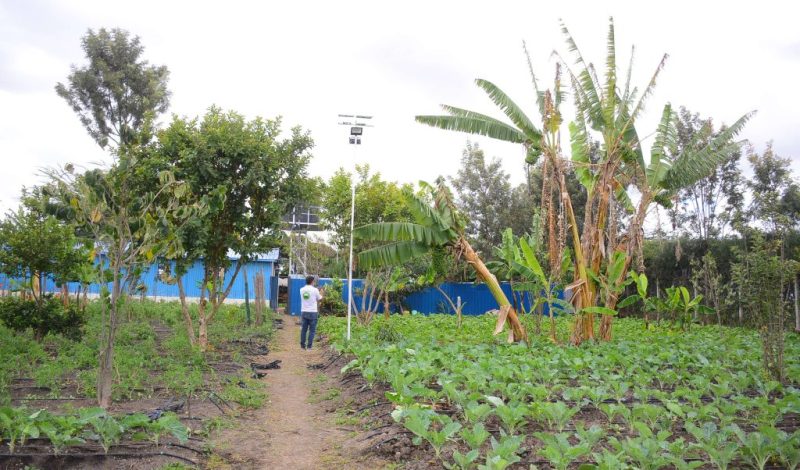
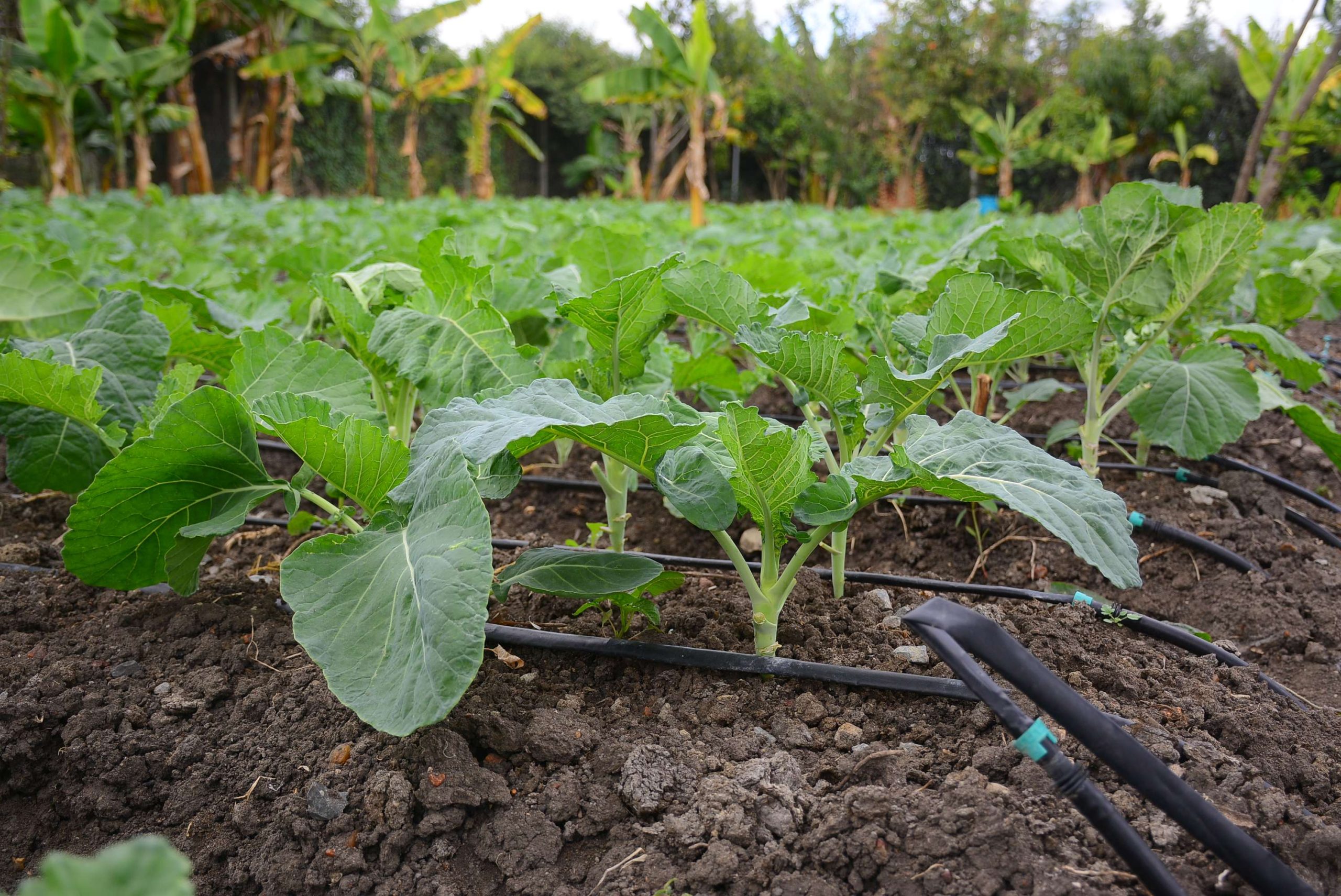
In March 2024, a project was initiated on a 0.5-acre plot at World Serve in Kisaju, Kajiado County. The plot, which relied on drip irrigation, was initially struggling due to the use of synthetic fertilisers and pesticides, particularly affecting tomato plants.
Intervention and Changes Implemented
The following steps were taken:
1. Immediate Revival of Existing Tomatoes
- Action: Applied a soil conditioner and fruiting and flowering spray to the existing tomato plants.
- Outcome: The tomatoes showed significant revival after just one application.
2. Manure Preparation
- Action: Obtained dry manure and treated it with manure cure and soil conditioner (microbial). The treated manure was left to sit for two weeks to enhance its quality.
- Purpose: This process aimed to enrich the manure with beneficial microbes and nutrients.
3. Bed Preparation
- Action: Used the treated manure to prepare the planting beds.
- Soil Condition: As the soil was relatively healthy, soil cleanser was not required.
- Outcome: The beds were enriched with high-quality manure, providing a fertile foundation for planting.
4. Ongoing Soil Conditioning
- Action: Applied soil conditioner weekly through drenching (1 litre makes 26 litres on the farm).
- Purpose: Regular conditioning helped maintain soil health and nutrient availability.
5. Application of Fertilizers and Pesticides
- Action: Every 10 days, applied fruiting and flowering products, biopesticides, and additional fruiting and flowering solutions.
- Outcome: This ensured ongoing support for plant growth and protection against pests and diseases.
Observations and Results
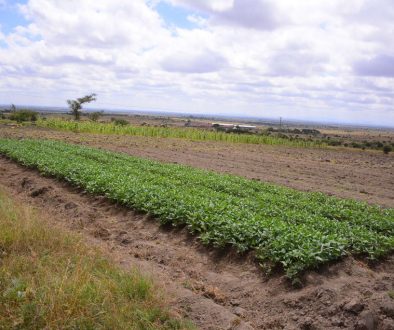
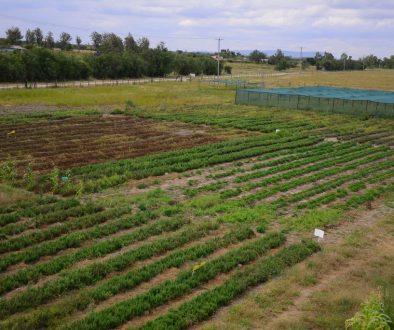
- Tomato Plants: Although the tomatoes are yet to fruit, the existing plants have shown significant improvement and health.
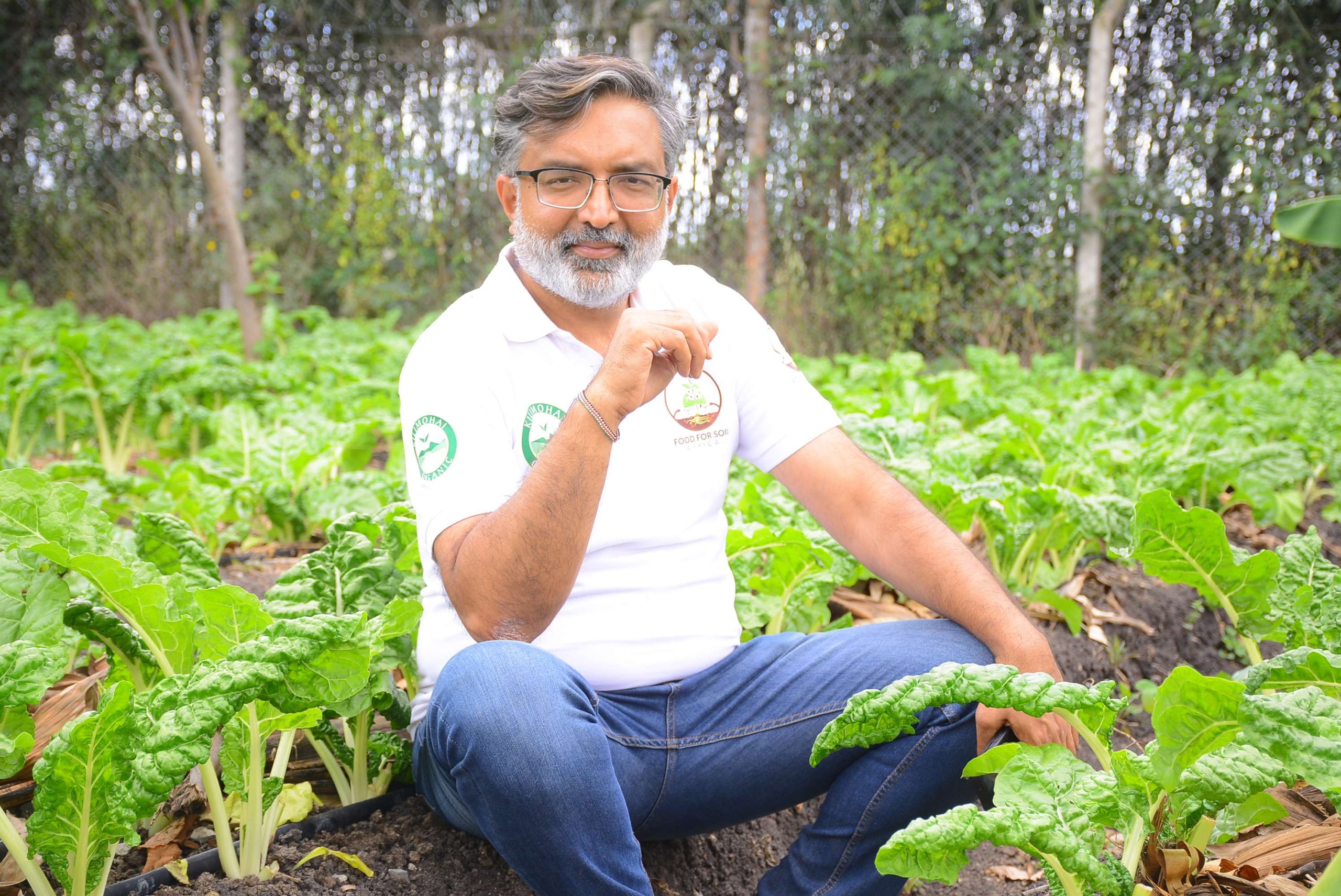
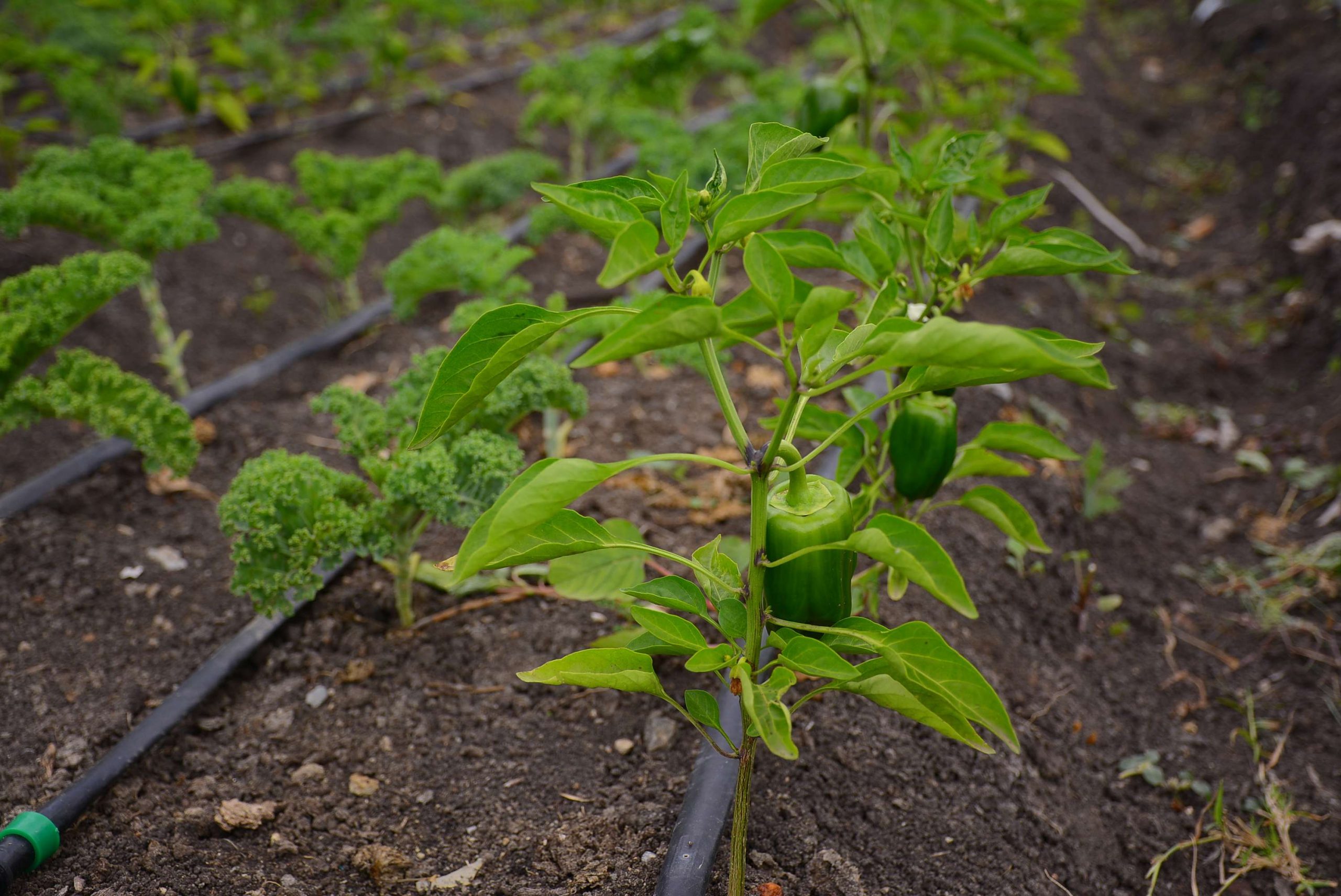
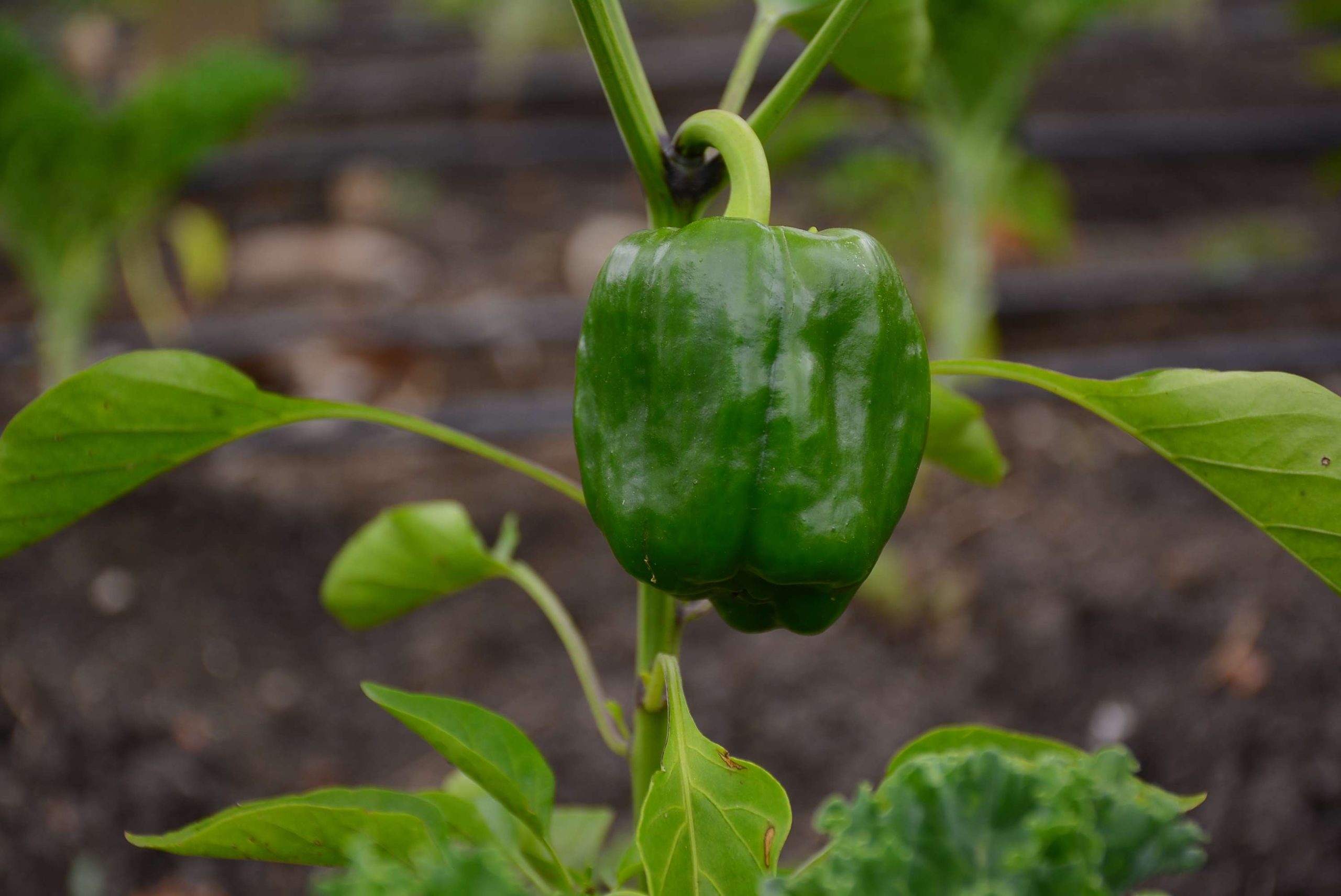
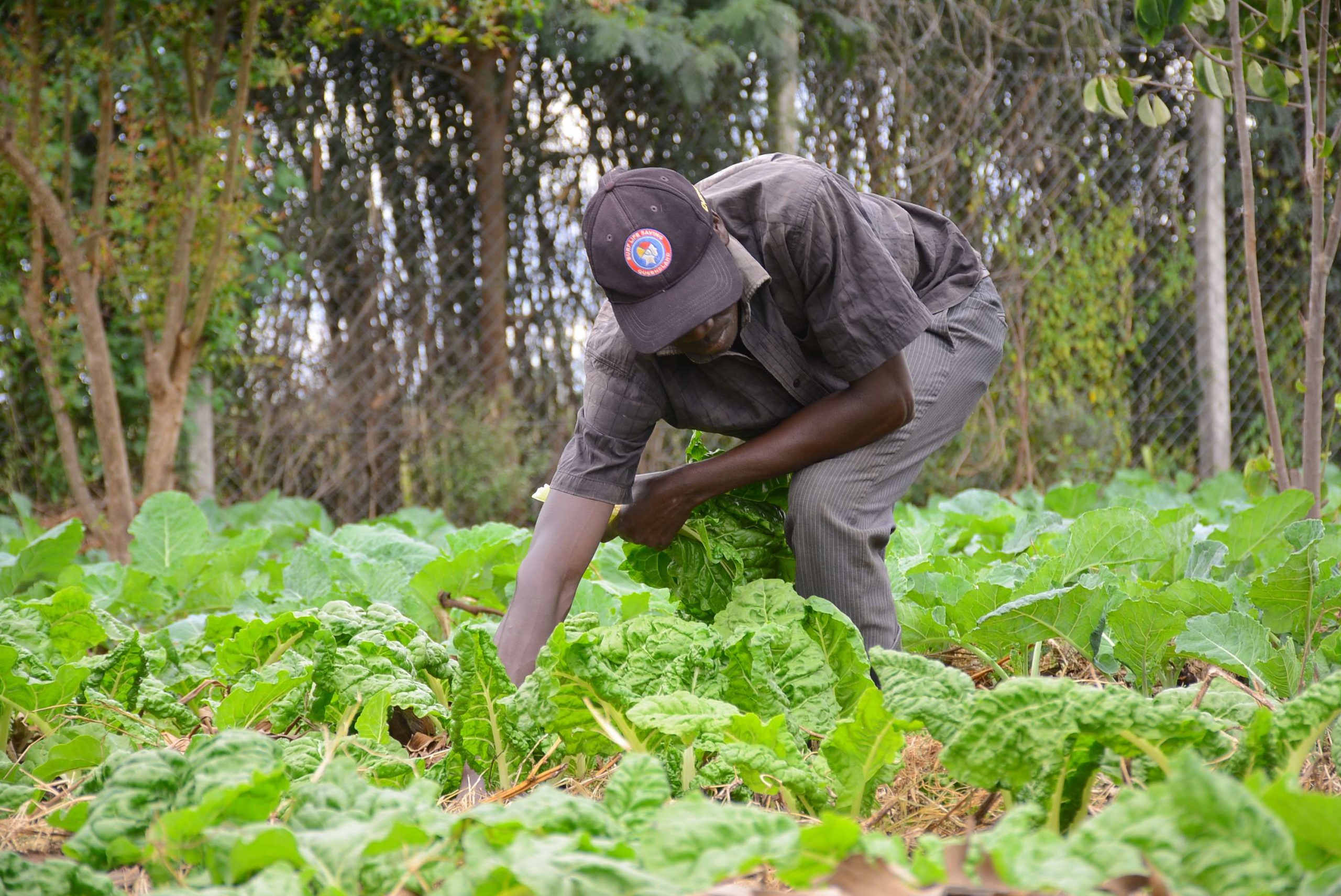
- Other Greens: Spinach, Kunde, Sukuma Wiki, and Capsicum are growing very well, exhibiting robust health and quality.
- Overall Quality: The quality of the greens has been exceptional, indicating the effectiveness of the interventions.
Conclusion
The targeted interventions at the World Serve plot in Kisaju, Kajiado County, demonstrate the potential of sustainable farming practices to revive and enhance crop growth. By transitioning from synthetic to organic inputs and implementing regular soil conditioning and appropriate fertilization, the plot has shown remarkable improvements. This case study serves as an example of how strategic agricultural practices can transform struggling plots into productive and healthy farms.